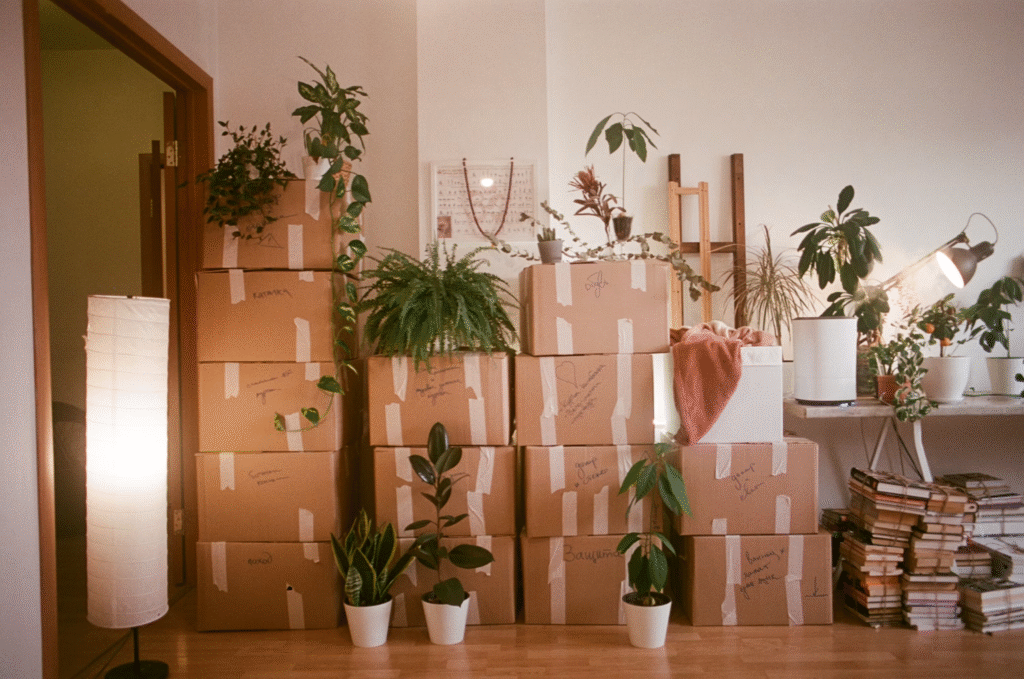
Moving into a high-rise apartment presents unique challenges that differ from relocating to a house. Elevators, narrow hallways, loading docks, parking restrictions, and building regulations all require additional planning before moving day. Without proper preparation, even a simple move can take much longer than expected. Choosing Tetrisflytt can help simplify the relocation process by ensuring your belongings are transported efficiently while you focus on meeting your apartment building’s moving requirements.
Unlike traditional homes, apartment buildings often have strict policies regarding moving hours, elevator reservations, and vehicle access. Understanding these requirements well in advance helps prevent delays and unnecessary stress on moving day.
With careful organization and the right preparation, moving into a high-rise apartment can be a smooth and enjoyable experience.
Contact Building Management Early
As soon as your moving date is confirmed, contact your apartment management.
Ask about:
- Moving hours.
- Elevator reservations.
- Parking regulations.
- Loading dock access.
- Building security procedures.
Understanding these rules helps avoid last-minute surprises.
Reserve the Service Elevator
Many apartment buildings require residents to reserve a service elevator before moving.
Booking early provides:
- Guaranteed availability.
- Faster loading.
- Better organization.
- Fewer delays.
Always confirm your reservation a few days before moving day.
Measure Large Furniture
Before moving, measure:
- Apartment entrance.
- Hallways.
- Elevator dimensions.
- Doorways.
Also measure:
- Sofas.
- Beds.
- Dining tables.
- Cabinets.
Knowing measurements beforehand helps prevent furniture from becoming stuck.
Declutter Before Packing
Apartment living often means less storage space.
Sort belongings into:
- Keep.
- Donate.
- Sell.
- Recycle.
Moving fewer items reduces transportation costs and simplifies unpacking.
Label Every Box Clearly
Each box should include:
- Room destination.
- Contents.
- Fragile label.
- Priority level.
Clear labeling helps movers place boxes in the correct rooms immediately.
Pack an Essentials Box
Prepare one easily accessible box containing:
- Toiletries.
- Phone chargers.
- Snacks.
- Cleaning supplies.
- Basic kitchen items.
- Medications.
This allows you to settle in comfortably without opening every box.
Protect Hallways and Walls
Large furniture can easily damage apartment hallways.
Use:
- Furniture blankets.
- Corner protectors.
- Floor runners.
Protecting common areas helps avoid repair charges from building management.
Notify Your Neighbors
If possible, let nearby residents know about your moving day.
This simple courtesy helps:
- Reduce inconvenience.
- Improve cooperation.
- Minimize complaints.
Good communication creates a positive first impression.
Keep Walkways Clear
Avoid placing boxes in hallways or common areas.
Maintain clear paths for:
- Residents.
- Movers.
- Emergency access.
Organization improves safety throughout the move.
Prepare Parking
Confirm where the moving truck can park.
Check for:
- Reserved loading zones.
- Parking permits.
- Time restrictions.
Convenient parking makes loading and unloading much faster.
Protect Fragile Items
Pack delicate belongings using:
- Bubble wrap.
- Packing paper.
- Foam padding.
Clearly mark every fragile box before transportation.
Move Heavy Items First
Unload larger furniture before smaller boxes.
Examples include:
- Beds.
- Sofas.
- Dining tables.
- Wardrobes.
This creates more space for organizing smaller belongings later.
Inspect the Apartment Before Unpacking
Before unpacking:
Check:
- Walls.
- Floors.
- Windows.
- Cabinets.
- Appliances.
Report any existing damage immediately to management.
Organize One Room at a Time
Begin unpacking in this order:
- Bedroom.
- Bathroom.
- Kitchen.
- Living room.
- Storage areas.
This method helps your apartment become functional much faster.
Dispose of Boxes Responsibly
Apartment buildings often have recycling rules.
Flatten cardboard boxes and dispose of them according to building guidelines.
Keeping hallways free of packing materials maintains a clean environment.
Common Mistakes to Avoid
Avoid these common apartment moving mistakes:
- Forgetting to reserve the elevator.
- Ignoring building regulations.
- Parking in unauthorized areas.
- Overloading elevators.
- Blocking hallways.
- Waiting until moving day to contact management.
Preparation prevents unnecessary delays.
Frequently Asked Questions
Do apartment buildings require elevator reservations?
Many high-rise buildings require advance reservations for service elevators.
Should I notify building management before moving?
Yes. Most apartment buildings have specific moving procedures that residents must follow.
What’s the best way to move large furniture into an apartment?
Measure furniture and doorways beforehand, disassemble large items when possible, and use protective coverings during transport.
Why should I unpack room by room?
Organized unpacking reduces clutter and helps you settle into your apartment more efficiently.
Final Thoughts
Moving into a high-rise apartment requires more planning than many people expect, but careful preparation makes the entire process much easier. By understanding your building’s regulations, reserving elevators, measuring furniture, organizing your belongings, and packing efficiently, you can complete your move with minimal stress and maximum efficiency.
A successful apartment move isn’t just about transporting belongings—it’s about respecting building rules, staying organized, and creating a comfortable new home from day one. With thoughtful planning and the right approach, you’ll settle into your new apartment quickly and enjoy your new living space with confidence.